Welcome to My New medical Blog SANGBAE JEON
Gender Stereotypes
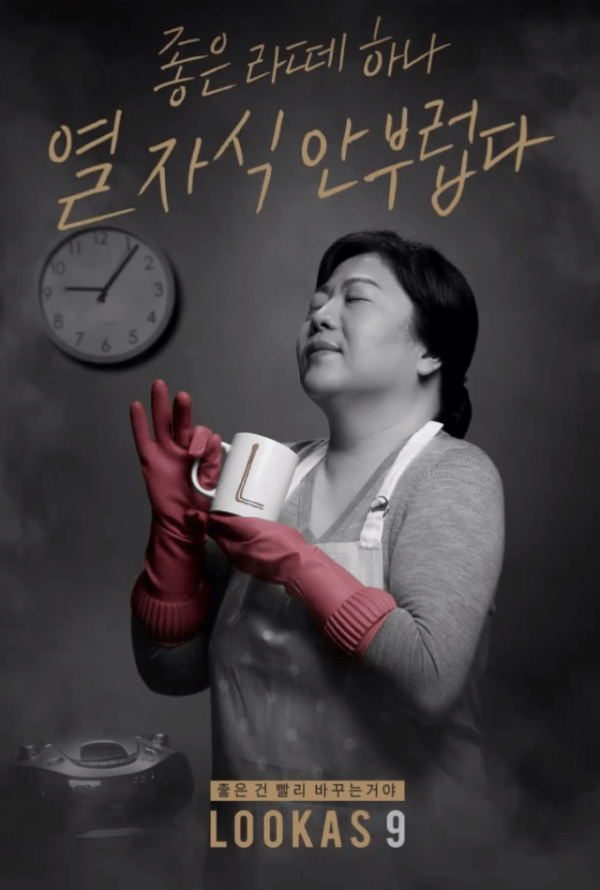

▲ Coffee Advertisement
1. This advertisement is for coffee. The first picture shows a typical perception that women only do housework, portraying women as good mothers and homemakers. The second photo shows the manager as a man, introducing him as a manager at the company. With the changing times, much distinction between men and women has disappeared in each of the described posts, but the advertisement has yet to show the changed appearance.
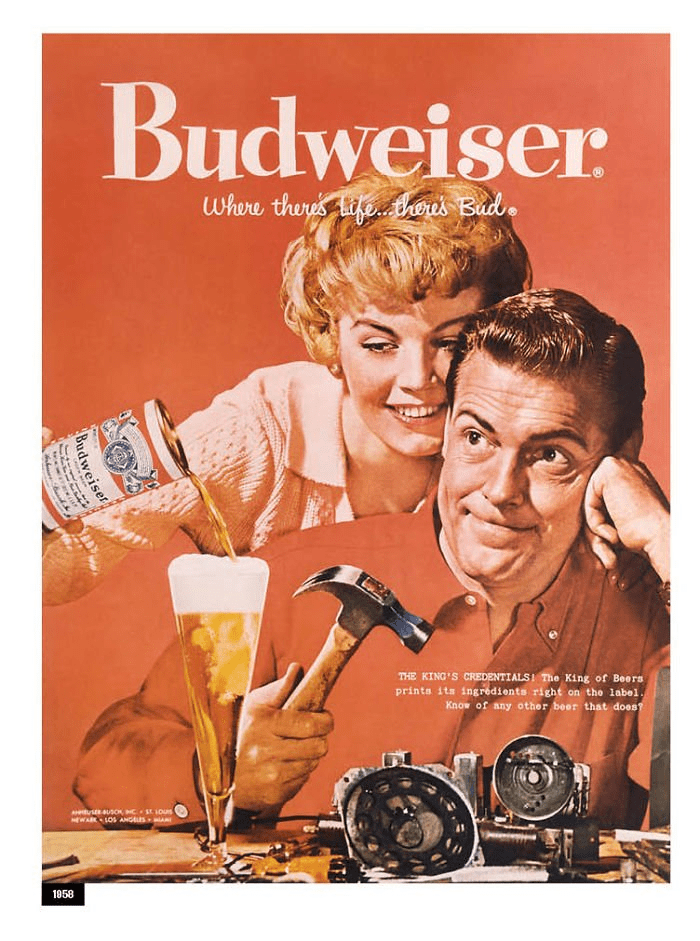
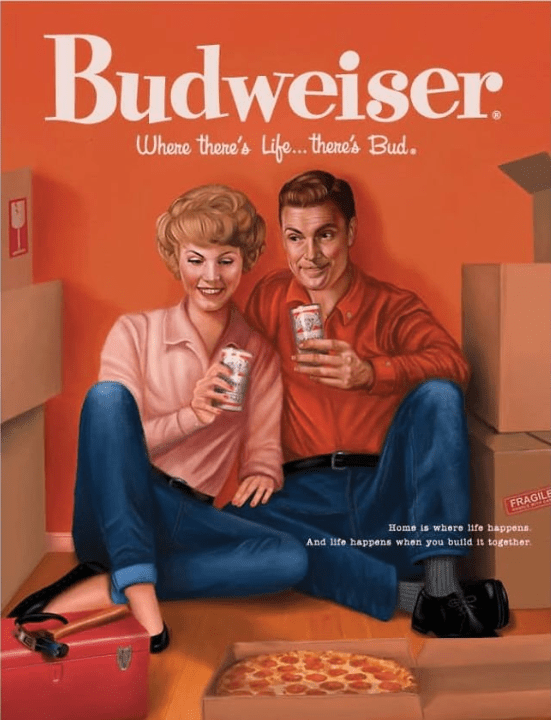
▲Beer Advertisement
2. Budweiser beer ads have created ads that describe the changing role of gender over time. In a 1950s beer commercial, a woman pictured filling a man with a glass of alcohol and making an offering of support. At that time, this ad described a mother who supported her husband and was hard at raising her children. Afterward, the ads described the image as being made together like the second picture, not as one-sided, but moving forward together.
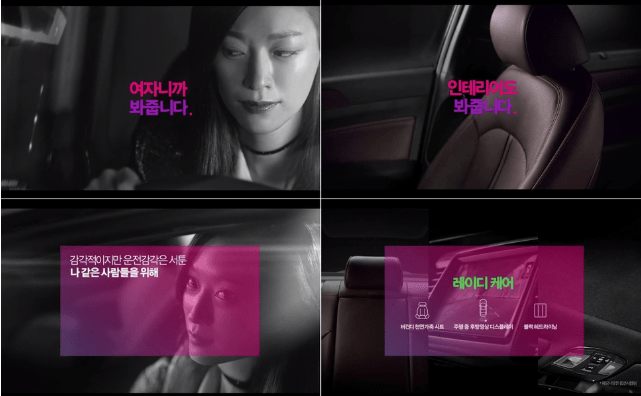
▲ Car Advertisement
3. This Hyundai car commercial has become controversial because it contains the fact that women are not good at driving. It provides customers with an option called lady care, which is recommended to women who are not good at driving. For example, this ad drew the option as if women need options more than a male driver, showing a woman checking her rear camera when parking back. Some people are not good at driving or are good at driving without distinction of sex, and this advertisement shows a discriminatory look.

▲ Vitamin drug Advertisement
4. Centrum Vitamin Advertisements described different vitamins for different men and women. In the advertisement, the dichotomy showed that men need more vitamin B because they are active, and women need more vitamin C and E because they need to manage their appearance. Regardless of the distinction between men and women, vitamins are a helpful substance for the human body, but it is anachronistic to advertise by putting gender stereotypes in.

▲ contraceptive advertising
5. This is a public service advertisement by the Ministry of Health and Welfare. The ad shows the back of a man holding a woman’s handbag and shopping bag, along with the words “Don’t even leave contraception in charge.” It depicts a woman passing on contraception and everything else to a man. Women represent gender stereotypes by portraying everything as if they were dependent on men.
 Site Title